Wellness Business Ideas for People Planning a New Location
Eight concrete wellness business concepts, with practical operating differences and a worked example to help you choose what to investigate first.
Sources reviewed
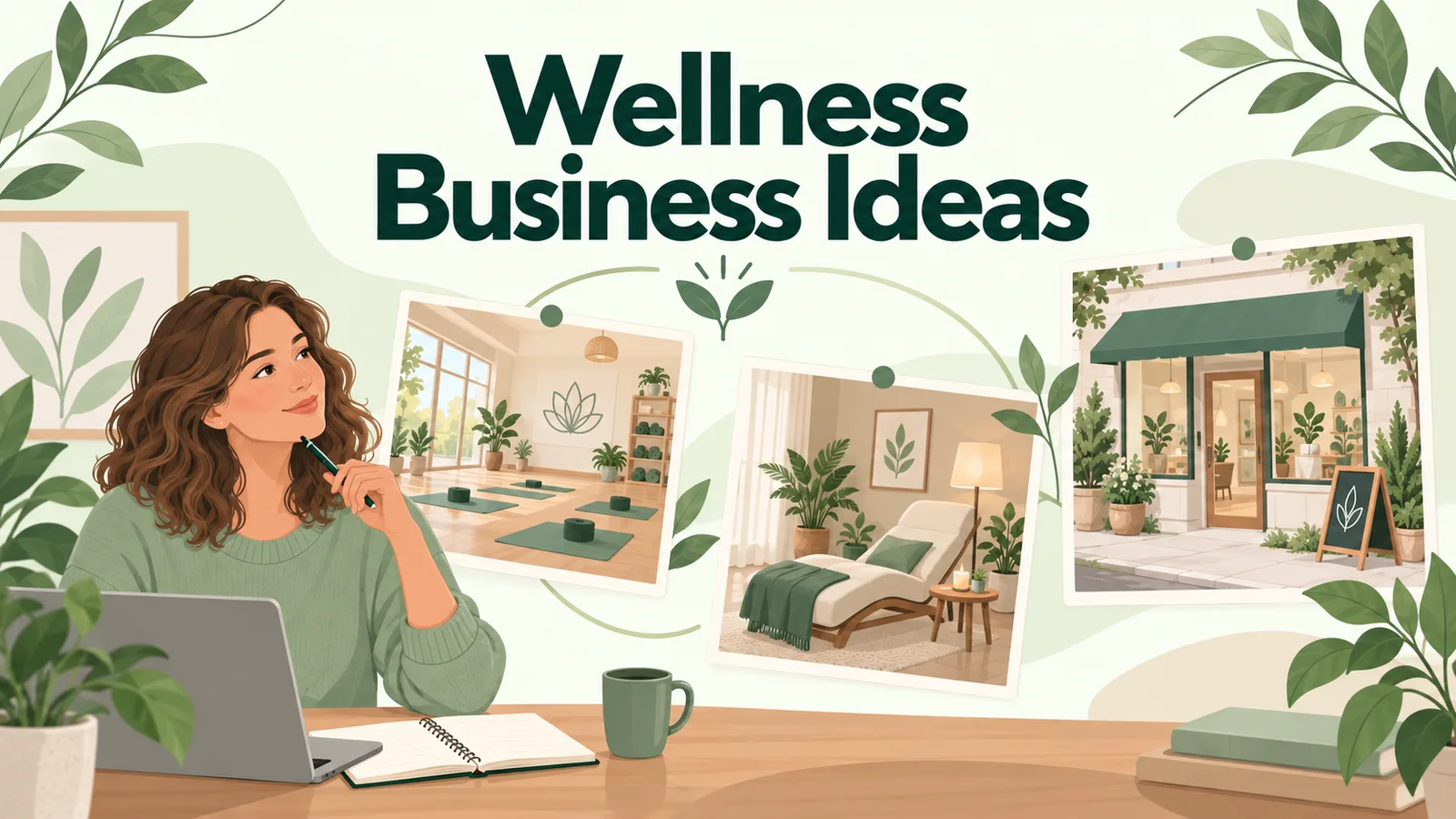
Wellness business ideas for a new location include movement classes, personal training, equipment-led appointments, massage, beauty services, workshops, employer-booked sessions and specialist retail. Choose a format that fits the customers you want to serve, the team you can build and the work you want to manage.
Picture an ordinary day in each business before choosing one. A studio where groups arrive together operates differently from a center with private appointments. A shop with workshops needs a different customer journey from a service sold to employers. Those differences shape the premises, staffing and opening hours.
Use the ideas below to build a shortlist. Once the concept is clearer, the first wellness location guide helps you assess areas and premises for that specific service.
Key Takeaways - Choose a concrete service and buying occasion before looking for a property. - Group classes, private appointments, employer bookings and retail create different daily operating patterns. - Compare concepts against your skills, available team, customer access and space needs. - A useful shortlist ends with a specific next check for each idea, rather than a claim that one is universally best.
Eight wellness business ideas to consider
These concepts describe possible starting formats. The fit notes are planning prompts, not profitability rankings. Confirm the qualifications, permissions and equipment requirements for the exact activities in your market.
1. A small-group movement studio
Build a timetable around a defined activity, such as beginner yoga, mat Pilates or guided mobility classes. Customers buy a place in a class, a short course or a suitable membership.
For example, a beginner mat class could include an instructor’s introduction, guided exercises suited to the advertised level and time for questions. Tell customers what experience they need, what to bring and what the instructor will guide them through. This gives a first visit a clear shape.
This concept may fit an instructor who wants to teach or an operator who can organize a dependable teaching team. The main room needs enough usable space for the chosen activity, with storage and a workable arrival process. Consider how people enter and leave when one group follows another.
The US Bureau of Labor Statistics describes group fitness instructors as leading exercise classes and notes that training varies by specialty. That occupational description is useful for understanding the work, rather than establishing requirements in every country. BLS: Fitness Trainers and Instructors.
First check: Can intended customers attend the same recurring time, and can the right instructor deliver it reliably?
2. A personal-training studio
Offer individual or small-group training by appointment. The format gives the business a clear focus on instruction and client interaction rather than open access to a large gym.
It may fit a trainer ready to run a location or an owner with access to suitable trainers. Equipment should follow the intended service: a compact training offer and a large equipment floor are different businesses. Plan space for instruction, safe movement, storage and private conversations where needed.
The operator's practical challenge is matching client availability with trainer availability. Consider who handles enquiries and bookings while trainers work with clients.
First check: Can you describe a specific customer group and the training format it wants, then identify the team capable of delivering it?
3. A center for guided equipment-based wellness appointments
Create a clear appointment experience around suitable wellness equipment. Customers book a defined session or program, with staff explaining preparation, the visit and the next step.
This may suit an operator who enjoys service organization, client communication and a repeatable appointment flow. The premises need to fit the actual machines, staff access and any changing or rest space the service requires. Training, cleaning and time between clients belong in the plan from the beginning.
Kenda is one option to explore in this category. Its current equipment range includes Thermal Nest, Space Therapy Plus and Infra Light. Its partnership overview describes equipment, training and operational support. Confirm the proposed service and support in the actual offer; a product range does not establish the entire location model.
First check: Can the proposed client journey be delivered comfortably with the equipment, team and space you can arrange?
4. A hands-on massage studio
Build the location around practitioner appointments, a clear service menu and a private setting. Customers buy time with a practitioner, so the practitioner relationship is central to the offer.
This may fit an appropriately qualified practitioner moving into their own premises or an operator with a dependable practitioner team. Plan treatment-room privacy, linen handling, cleaning, client access and time between appointments.
Staff capacity needs particular attention. BLS describes massage work as physically demanding and notes the importance of spacing sessions. This is a useful reminder to build schedules around sustainable practitioner availability, not only the number of rooms. BLS: Massage Therapists.
First check: Which practitioners can deliver the intended services, at what schedule, under the local requirements that apply?
5. A focused beauty-and-wellness appointment studio
Choose a small, understandable menu rather than opening with every possible beauty service. A location might center on non-medical skincare appointments, paired with a suitable relaxation service.
This may fit someone with relevant beauty-service experience who wants a focused customer experience. Each service needs appropriate staff skills, product handling, hygiene and equipment. Rooms should work for the chosen appointments rather than an imagined future menu.
The distinction from an equipment-led center is the core promise: customers primarily choose a specific beauty service delivered by a practitioner. An additional wellness appointment should have its own clear description and fit the booking flow.
First check: Which service would customers choose you for first, and can the team explain the menu without confusing overlapping offers?
6. A wellbeing education and workshop space
Offer guided workshops on topics such as planning everyday routines, journaling or general wellbeing education. Customers buy participation in a defined session or course, with a clear topic and take-home material.
This may fit an educator or facilitator who can design useful sessions and build a local audience. A flexible room, seating, accessible presentation materials and storage can be more relevant than specialized equipment.
The business needs a reason for people to attend in person: discussion, guided practice or meeting others with a shared interest. Keep the scope of advice clear and use appropriately qualified contributors where a topic requires specialist expertise.
First check: What will someone learn or complete during the workshop that makes attending worthwhile?
7. An employer-booked wellness hub
Use a location for sessions purchased by employers for their teams. The offer could include suitable group movement or facilitated wellbeing workshops, depending on the skills and services available.
This may fit an operator with business relationships and experience organizing groups. The buyer and participant are different people: an employer needs clear booking details, while employees need an accessible, understandable experience.
Plan the room around the agreed group format and the times employers can book. Separate private employer sessions from individual customer bookings so staff know which offer they are delivering. A possible advantage to investigate is using different timetable periods for different audiences.
First check: Can you reach an identified employer buyer and clarify what it wants to purchase, who would attend and when?
8. A curated wellness shop with practical workshops
Build a retail offer around a defined everyday use, such as movement accessories or products for a relaxing home routine. Add demonstrations or workshops that help customers understand how to choose and use the products.
This may suit someone with retail experience, supplier relationships and an interest in customer education. The premises need display, stock storage and space for the workshop format. Purchasing, replenishment and returns become part of the owner's daily work.
Workshops should support a useful customer experience rather than create a second business the team cannot manage.
First check: Which products belong together for the chosen customer, and what stock commitment would suppliers require?
Compare the operating formats
Use this table to spot differences before choosing a favorite. It is a planning comparison, not a measured cost or return ranking.
| Concept | What customers buy | Main staff consideration | Space priority |
|---|---|---|---|
| Group movement | Class, course or membership | Dependable instructors and timetable | Open activity area and arrivals |
| Personal training | Individual or small-group appointment | Trainer availability and client attention | Training area and storage |
| Equipment-led wellness | Defined session or program | Equipment training and guided visit flow | Installed equipment and transitions |
| Massage | Practitioner appointment | Sustainable practitioner schedule | Private rooms and linen handling |
| Beauty-and-wellness | Focused service appointment | Skills for the chosen menu | Treatment setup and hygiene |
| Education workshops | Facilitated session or course | Content and facilitation quality | Flexible seating and presentation |
| Employer hub | Group booking by a business | Buyer coordination and group delivery | Group access and scheduling |
| Retail with workshops | Products and learning sessions | Stock management and customer guidance | Display, storage and gathering area |
Use the treatment-room planning guide when comparing appointment concepts, and keep group-flow needs separate from private-room needs.
How to turn the ideas into a shortlist
Choose a few concepts and give each the same three checks. The aim is to define what you would sell and identify the next answer you need.
Step 1: Write one offer sentence
Complete: “We would offer [specific service] to [specific customer], through [appointment, class, group booking or product purchase].” Name something a person could actually book or buy.
Step 2: Describe one ordinary booking
Write down who delivers the service, where it happens and what staff do before and after it. For an equipment concept, use the equipment buying checklist to identify the model and supplier questions. For a practitioner concept, identify the person and availability you need.
Step 3: Assign the next check
Record whether to continue, revise or park each idea, with one specific unanswered question and the person who will investigate it. That question might concern instructor availability, a room requirement or whether a particular customer can attend at the proposed time.
The SBA’s business-planning guidance recommends researching demand, location, alternatives and pricing. Apply that research to the specific offer you have defined. For the later cost comparison, use dated quotes and operating assumptions in the business plan and cash-flow checklist.
A hypothetical shortlist in practice
Suppose an operator wants a new appointment-based location, can manage reception and bookings, and prefers individual visits to group classes. They compare massage, equipment-led wellness and a workshop space.
The workshop idea moves out of the shortlist because its group format does not fit the operator's preferred work. Massage remains interesting, but the operator has not yet identified practitioners who can cover the intended hours. Equipment-led wellness also remains interesting, with the supplied models, training and visit flow still to verify.
The next actions are specific: speak with suitable practitioners about availability and request an equipment-based service proposal. The operator then compares both against possible premises and local customer interviews. There is no winner yet; there are two concepts with clear next checks.
Frequently asked questions
Which wellness business idea is best for a first location?
The best fit is a concept you can deliver to a defined customer with an available team and suitable space. Start with the format that matches your skills and intended role, then investigate demand and costs locally.
Can a small wellness location offer more than one service?
Yes, a combined concept can be investigated, but begin with a clear core offer. Check whether the services share customers, staff and space in a useful way. A broader menu should make the location easier to use, rather than harder to manage.
Which wellness business ideas require specialist staff?
Services such as instruction, massage and beauty appointments depend on the expertise of the people delivering them. Equipment-based services also require appropriate training. Confirm the exact activities and requirements in the market where you plan to operate.
Should I choose an idea before finding premises?
Define a workable concept first, then assess premises against it. The service tells you which room layout, access, equipment and operating conditions matter. An attractive property alone does not define the business.
Is a branded wellness partnership a separate business idea?
A partnership is a way to obtain agreed rights, equipment or support for a chosen service. It can help shape the concept, but its terms need to be understood separately. Ask what the proposed offer includes and what you would deliver as the operator.
Explore the concept that fits your plans
If your shortlist includes a guided in-person wellness location, bring your intended customer, service format and operating questions to a partnership conversation. A clear concept makes that discussion more useful.